


When Fumio Owaki, President of GeneXus Japan, first encountered GeneXus, he was astonished. “I never imagined a technology like this could exist,” he recalls. That discovery completely transformed his perspective on software development.
Owaki first crossed paths with GeneXus in 2002, during a visit by Japanese business leaders to Uruguay, where the company’s headquarters are located. The purpose of the trip was to strengthen business ties between the two countries. At the time, Owaki was already a well-known figure in Japan’s tech industry and vividly remembered the ambitious (and ultimately unsuccessful) Fifth Generation Computer Systems Project (FGCS)- a national initiative from the 1980s that aimed to revolutionize Japanese computing with AI and knowledge processing. However, that dream eventually collided with the technological limitations of the era.
It was in one of those meetings in Montevideo that Owaki met Breogán Gonda, GeneXus co-founder. Gonda explained how the platform made it possible to develop software in a practical and scalable way, capturing business rules and processes through automation and knowledge modeling. “I thought: they’re geniuses. How did Gonda and Nicolás Jodal (GeneXus CEO) create something like this?” Owaki recalls.
Just a few months later, in May 2003, Owaki opened the GeneXus Japan Inc. office in Tokyo.
Going Against the Current
Introducing GeneXus to Japan was anything but easy. “Everyone thought Uruguay was just a livestock country. Nobody trusted technology from that region, and investors wouldn’t even consider it. It was extremely tough. Most people would have given up after three years, but quitting wasn’t an option for me. I knew the potential we had,” says Owaki.
Time proved him right: today, Japan is the strongest and most profitable market for GeneXus.
Overcoming the Cultural Barrier
In Japan, technology matters, but culture is everything. “In 2004, Carlos Alfredo Clulow Lepretre, the Uruguayan ambassador to Japan, warned me: ‘Never forget that the Japanese market is very, very difficult.’ And he was right. Japanese society is conservative and slow to accept new technologies,” says Owaki.
However, pioneering companies like Mitsubishi Heavy Industries (MHI) saw the value in GeneXus and took the leap. That support was crucial for building credibility and opening the market.
From Doubt to Tangible Success
Japan’s software industry is under constant pressure to innovate and compete. For Owaki, the key to success lies in focusing on the end user, not just developers: “Our goal should be to help businesses. That’s where GeneXus innovation truly makes a difference.”
GeneXus does more than automate; it enables companies to capture and preserve their business knowledge, protect investments, and evolve their technology- even in the face of obsolescence.
With the arrival of GeneXus Next and Globant Enterprise AI, the Japanese developer community is buzzing with anticipation. “Many see generative AI as just a tool to create or find content, but the real question is: how can a company truly transform its business using this technology? With GeneXus Next and Globant Enterprise AI, that transformation is possible,” says Owaki.
Satisfaction and Looking Ahead
For Fumio Owaki, the greatest satisfaction doesn’t come from the technology itself, but from the real-world results achieved by Japanese companies that embraced GeneXus: “Hearing their success stories, seeing MHI adopt GeneXus as a corporate tool – that’s truly rewarding.”
The story of GeneXus in Japan is a lesson in innovation, tenacity, and global vision. It moved from initial skepticism to recognition, overcoming cultural barriers and establishing itself as a strategic partner for Japan’s digital future. As Owaki puts it: “We trust in GeneXus innovation and we believe in its success in Japan. Software that creates software is more than just a slogan – it’s the future of the industry.”
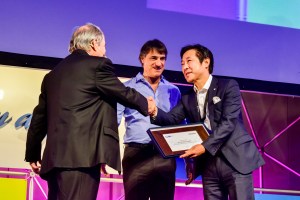
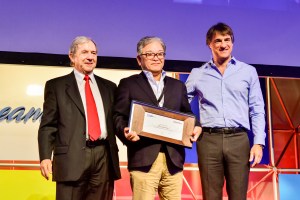
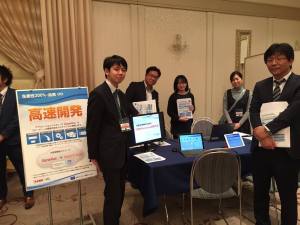
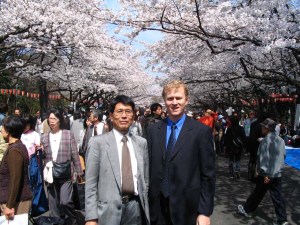
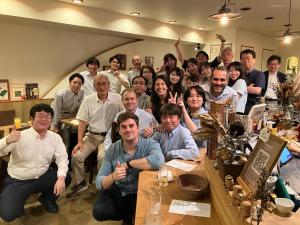
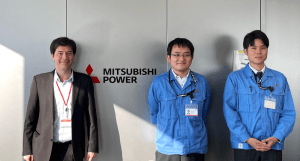
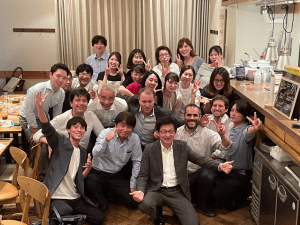
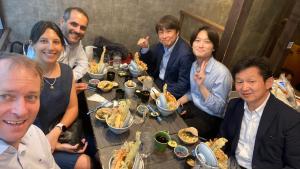
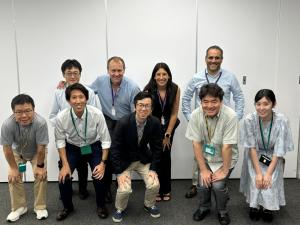
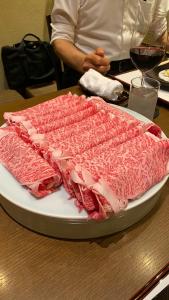
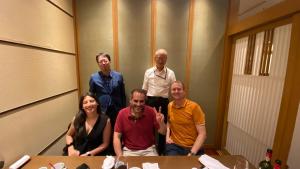
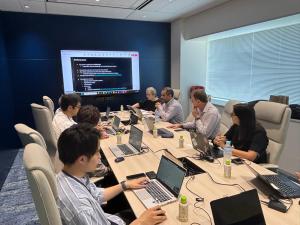
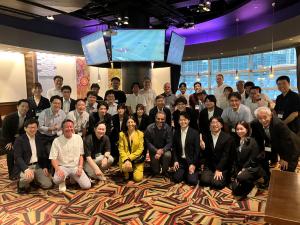
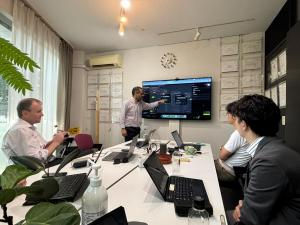
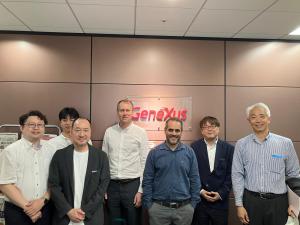
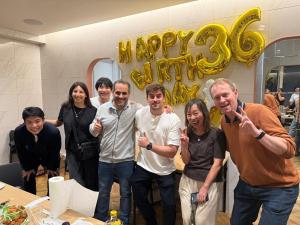
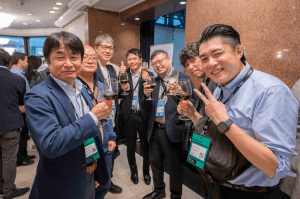
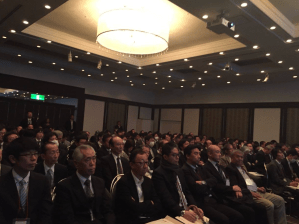
To close, we’re sharing a few historic photos that showcase the journey of GeneXus Japan and the growth of our community over the years.































You may also be interested in reading:
The history of GeneXus in Japan