


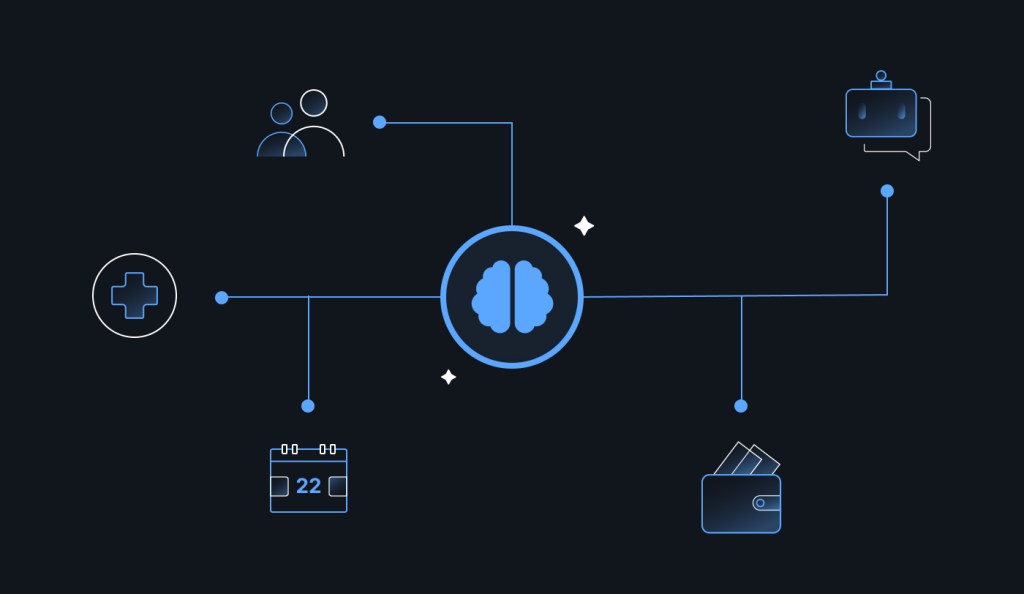
People around the world have integrated Generative AI into their daily lives in surprising ways. A recent analysis of thousands of online posts revealed that the main ways individuals use AI are:
- Therapy and emotional companionship
- Organizing daily life
- Personal purpose
This marks a significant shift toward more human-centric applications; in fact, experts who once expected AI to only excel in technical tasks now see it helping just as much—or more—with our everyday human concerns and desires.
It’s worth noting that these trends are global and not limited to one region. In emerging markets, adoption is especially rapid: for instance, India and South America show very high usage levels, in some cases “surprisingly high,” suggesting they may leapfrog directly to more advanced systems.
In China, mass adoption is evident: by February 2025, the generative AI user base reached 250 million people, and it’s estimated that 83% of Chinese professionals now use these tools, compared to 65% in the United States, and 54% in the rest of the world.
In regions with lower infrastructure, generative AI is reaching users through smartphones and mobile connections, allowing individuals from Africa to Latin America to access virtual mentors, basic medical advice, or simple conversational companionship.
How Generative AI Is Empowering Users:
Mental Health and Companionship
Many people use AI chats as a form of accessible therapy or emotional support. For example, in South Africa, where psychological care is scarce (just ~1 psychologist per 100,000 people), one user shared that “language models… are accessible to everyone and can help [when your mental health declines].” This virtual support, while not a replacement for professionals, offers a listening ear and advice to those who might otherwise have no help. It’s no coincidence that “therapy and companionship” is now the #1 global use case. Virtual companions—like AI friends or partners—have even emerged, helping people cope with loneliness or anxiety (a trend reflected in popular media).
Organizing Daily Life
Generative AI has become a personal assistant for many practical tasks. Home users employ it to plan schedules, to-do lists, and personal projects. A typical example: “I asked it to create a schedule to clean and organize my house before guests arrived,” and received a custom step-by-step plan. Others generate detailed travel itineraries (including hidden gem recommendations and optimal routes) in seconds, or ask for recipe ideas and grocery lists tailored to their diets to eat healthier.
This ability to organize and offer practical advice explains why “organizing my life” has become the #2 most popular new use in 2025. Many people now subscribe to tools like ChatGPT, Claude, or Perplexity at home, and even use workplace integrations (e.g., Microsoft 365 Copilot) to help manage time and tasks.
Personalized Learning and Education
Generative AI also serves as a tutor and personal coach. For example, a student taking an online data analysis course shared that they use ChatGPT as a study guide: asking for additional explanations on confusing topics, summarizing key points, and reinforcing what they’ve learned.
Educational platforms have adopted this technology too: Duolingo, the popular language app, integrated AI to both create content and practice real-time conversations through video bots, drastically increasing student engagement.
There are now 24/7 tutoring assistants (like Khan Academy’s “Khanmigo,” powered by GPT-4) that allow students worldwide to receive explanations and customized exercises at any time. In classrooms, some teachers are experimenting with generative AI to create materials, exam questions, or even creative writing assignments.
It’s also being used in evaluation: auto-feedback and grading tools can review essays or homework more quickly, giving educators more time for direct teaching.
Creativity, Entertainment, and Other Personal Uses
The versatility of generative AI has led to unusual applications. Many people use it for fun or creativity (#7 globally): from requesting jokes, personalized stories, to generating artistic images and music. For instance, role-playing game enthusiasts use ChatGPT as a virtual Dungeon Master to run Dungeons & Dragons games, creating dynamic narratives on the fly. Others generate songs and images with AI: the internet is full of musical covers using synthetic voices of famous artists, as well as illustrations made with models like DALL·E or Midjourney for personal projects.
As for personal development, people turn to AI to “find purpose” (#3 on the list) and for introspection: helping clarify values, overcome mental blocks, or receive motivation. There are even peculiar cases: users who use AI to boost confidence (#18), have “deep and meaningful conversations” (#29), or attempt to talk to the deceased by simulating loved ones (#33). These examples show just how deeply AI has intertwined with the human side of everyday life, addressing emotional, creative, and social needs that once seemed beyond the reach of technology.
Are We Witnessing the Start of a New Relationship Between Humans and Machines?
Perhaps the question is no longer if we use AI, but how AI is shaping us.
And you? How do you use AI in your daily life? Tell us in the comments.
You may also be interested in reading:
Organizational Culture in the Age of Autonomous Agents